

silver glass mirror
The significance of Granite Small Tools in Artisanal Craftsmanship Granite, a natural stone known for its durability and aesthetic appeal, has been a staple in construction and artistic endeavors since ancient times. The process of shaping and sculpting this robust material requires specialized tools, particularly the granite small tools. These diminutive yet powerful instruments play an instrumental role in transforming raw granite into intricate designs, sculptures, or functional objects. Small granite tools, often overlooked in the grand scheme of construction, are the backbone of precision work. They include chisels, hammers, rasps, grinders, and diamond-tipped drills, each with its unique purpose and application. A chisel, for instance, is used to cut and shape the granite, while a hammer provides the force needed to drive the chisel through the stone. Rasps are employed for smoothing out rough surfaces, and grinders assist in refining edges and corners. The diamond-tipped drills, on the other hand, are essential for creating precise holes in the hard granite surface. The art of working with granite is not just about brute strength; it demands finesse, patience, and an understanding of the stone's properties. The granite small tools facilitate this delicate balance, allowing artisans to bring their creative visions to life. The skilled hands that wield these tools know how to apply just the right pressure, angle, and speed to avoid cracking or damaging the stone. It's a dance of strength and subtlety, where the tool becomes an extension of the artisan's hand It's a dance of strength and subtlety, where the tool becomes an extension of the artisan's hand It's a dance of strength and subtlety, where the tool becomes an extension of the artisan's hand It's a dance of strength and subtlety, where the tool becomes an extension of the artisan's hand granite small tools . In addition to their functional importance, granite small tools hold cultural and historical significance. They symbolize the human quest for beauty and permanence, echoing the craftsmanship of our ancestors who built towering monuments and intricate sculptures using similar tools. Today, these tools are used not only in traditional stonemasonry but also in modern architecture, interior design, and even jewelry making, showcasing their versatility. Moreover, the use of granite small tools promotes sustainability. Unlike power tools, they operate manually, consuming no electricity or producing harmful emissions. This eco-friendly approach aligns with the growing demand for environmentally responsible practices in various industries. In conclusion, granite small tools are more than just implements; they are vessels of creativity, history, and sustainability. They embody the human spirit of innovation and the dedication to craft, making them indispensable in the world of granite artistry. Whether shaping a grand statue or carving a tiny piece of jewelry, these tools continue to shape our landscapes, both physical and cultural, leaving an indelible mark of human ingenuity.
about
silver glass mirror
Understanding the Three Types of Control Valves Control valves are integral components in various industrial processes, regulating the flow of fluids in a system. Their primary function is to maintain the desired flow rate, pressure, or liquid level, and they can be classified into three major types globe valves, ball valves, and butterfly valves. Each has its distinct features, advantages, and applications, allowing them to cater to diverse operational requirements. 1. Globe Valves Globe valves are widely used for regulating flow in piping systems. Characterized by a spherical body shape, these valves contain an internal baffle that divides the flow chamber into two halves, thereby controlling the fluid flow passage. When the valve is turned, the baffle moves either upward to allow greater flow or downward to restrict it. Advantages One of the key benefits of globe valves is their exceptional throttling capabilities. They provide precise control over the flow rate, making them ideal for applications requiring fine adjustments. Moreover, their design helps to minimize turbulence in the flow, which is advantageous in maintaining a consistent operation. Applications Globe valves are typically used in situations where flow regulation is critical, such as in domestic water systems, chemical processing, and heat exchangers. Their ability to maintain the required pressure gives them an edge in critical control applications. 2. Ball Valves Ball valves utilize a spherical disc, known as the 'ball,' to control the flow. When the valve handle is rotated, the ball aligns with the flow path to either allow or block the passage. This simple yet effective design provides a tight seal and ensures a high flow rate with minimal resistance. three types of control valves Advantages The primary advantage of ball valves is their ability to provide a quick shut-off. They can transition from open to closed positions with just a quarter turn, making them suitable for on/off applications. Furthermore, they tend to maintain a straightforward and compact design, which saves space in piping layouts. Applications Ball valves are commonly found in a variety of systems, including water supply lines, natural gas processing, and oil pipelines. Their robust build and reliability make them a favorite in industries where quick responsiveness is paramount. 3. Butterfly Valves Butterfly valves feature a circular disc that rotates within the valve body to control the fluid flow. The disc is positioned in the center of the pipe, and when opened, it allows fluid to flow through the valve, while closing the disc restricts the flow. The operation of butterfly valves is characterized by their efficient flow control and lower pressure drop. Advantages Butterfly valves are prized for their lightweight and compact design, enabling easy installation and minimal space requirements. They also provide a relatively simple operation compared to other valve types. Additionally, they can handle larger volumes of flow efficiently and can be used in both fully open and partially open positions to regulate flow. Applications These valves are extensively used in HVAC systems, water distribution, and wastewater treatment plants. Their ability to manage large quantities of fluids while maintaining a low-pressure drop makes them particularly suitable for large-scale operations. Conclusion Understanding the three types of control valves—globe, ball, and butterfly—is essential for selecting the appropriate valve for specific applications. Each type has its own set of advantages that cater to varying industrial needs, from precise flow regulation to quick shut-off capabilities and efficient high-volume flow management. By recognizing the distinctive features and ideal use cases of these control valves, engineers and operators can make informed decisions that enhance system performance and reliability. In a world increasingly dependent on effective fluid control, leveraging the right valve technology is a critical step towards achieving operational excellence.
-

High quality industrial productsagement

High quality industrial products
View Details -

Meet the diverse needs of customers

Meet the diverse needs of customers
View Details -

Strict quality control

Strict quality control
View Details -

Top raw materials

Top raw materials
View Details -

Trusted supplier

Trusted supplier
View Details
Our application


news and information
Using Thread Ring Gauges for Accurate Thread Inspection and Measurement Techniques
The Importance of Thread Ring Gauges in Quality Control In the world of manufacturing and engineerin
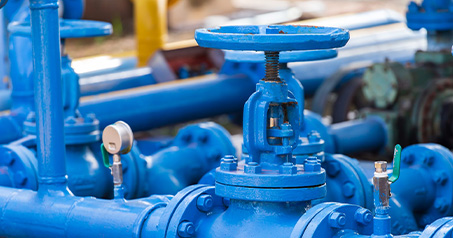
Water Flow Control Device for Efficient Shut-Off and Regulation
Understanding Water Shut-off Valves A Comprehensive Guide Water shut-off valves are essential compon
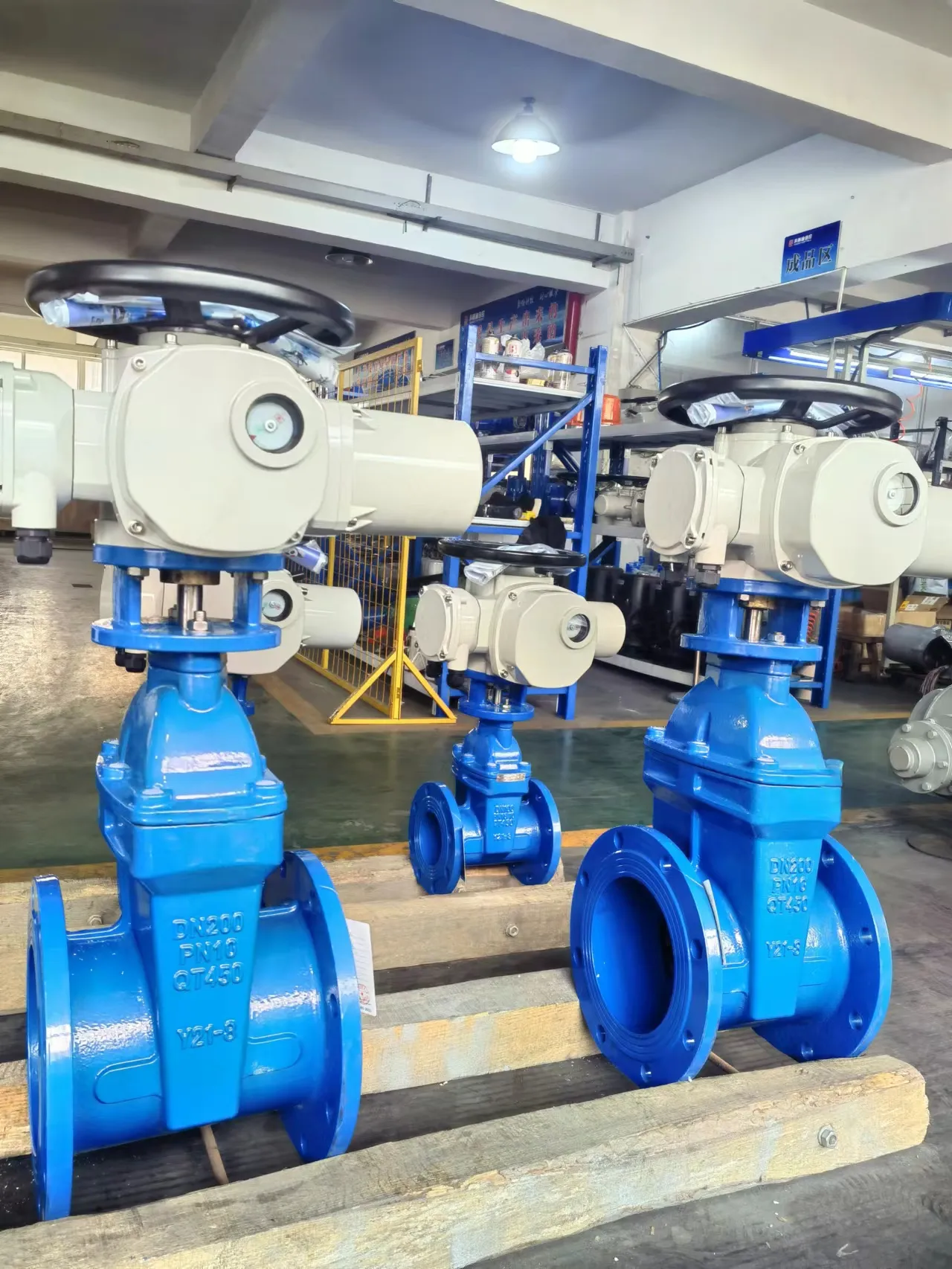
Valve Manufacturing Techniques for Enhanced Efficiency and Quality Control
valve factory .
 English